Chimney & Fireplace
Plan a sweep
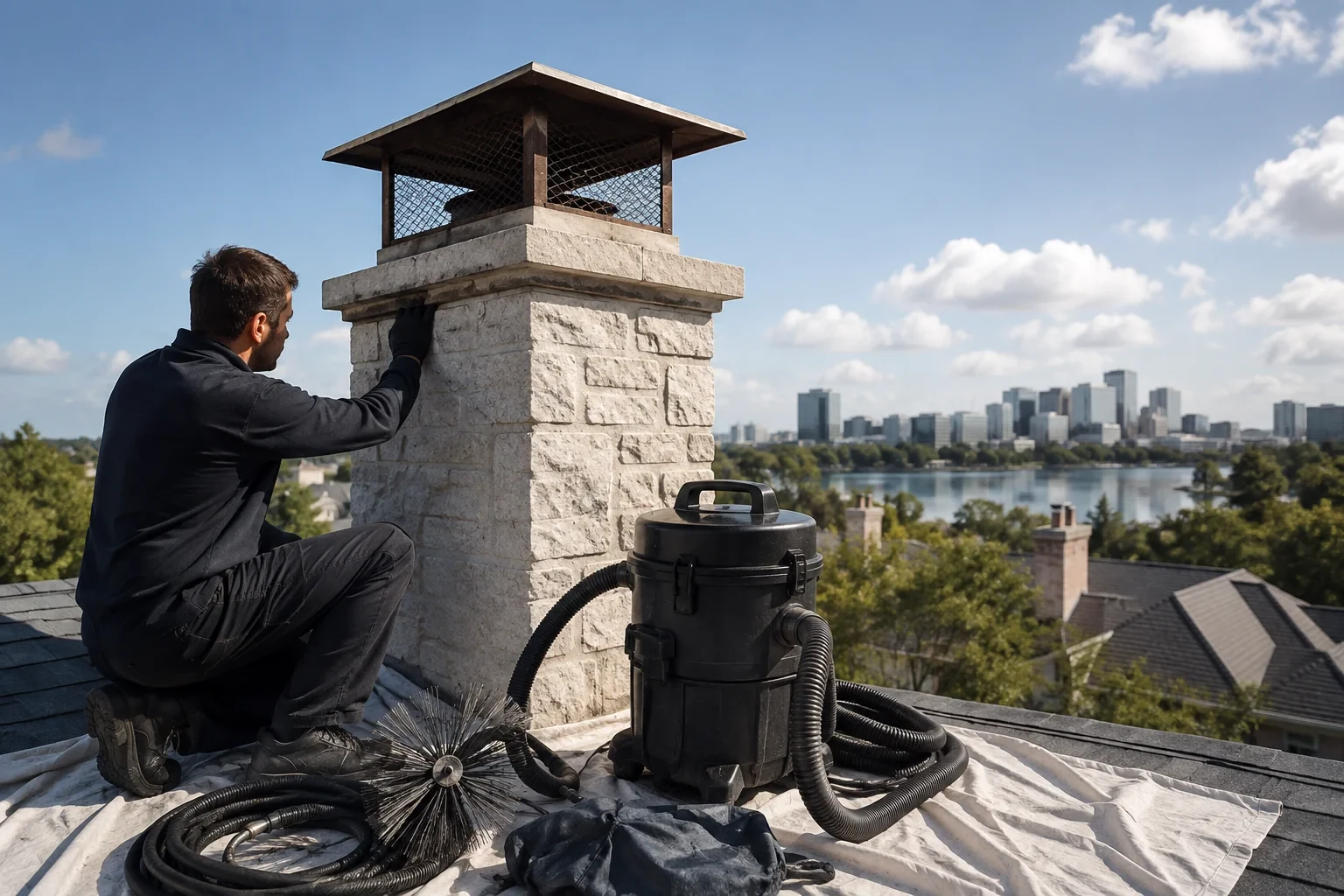
Clarify the cleaning scope and whether inspection is included.
Explore the service ↗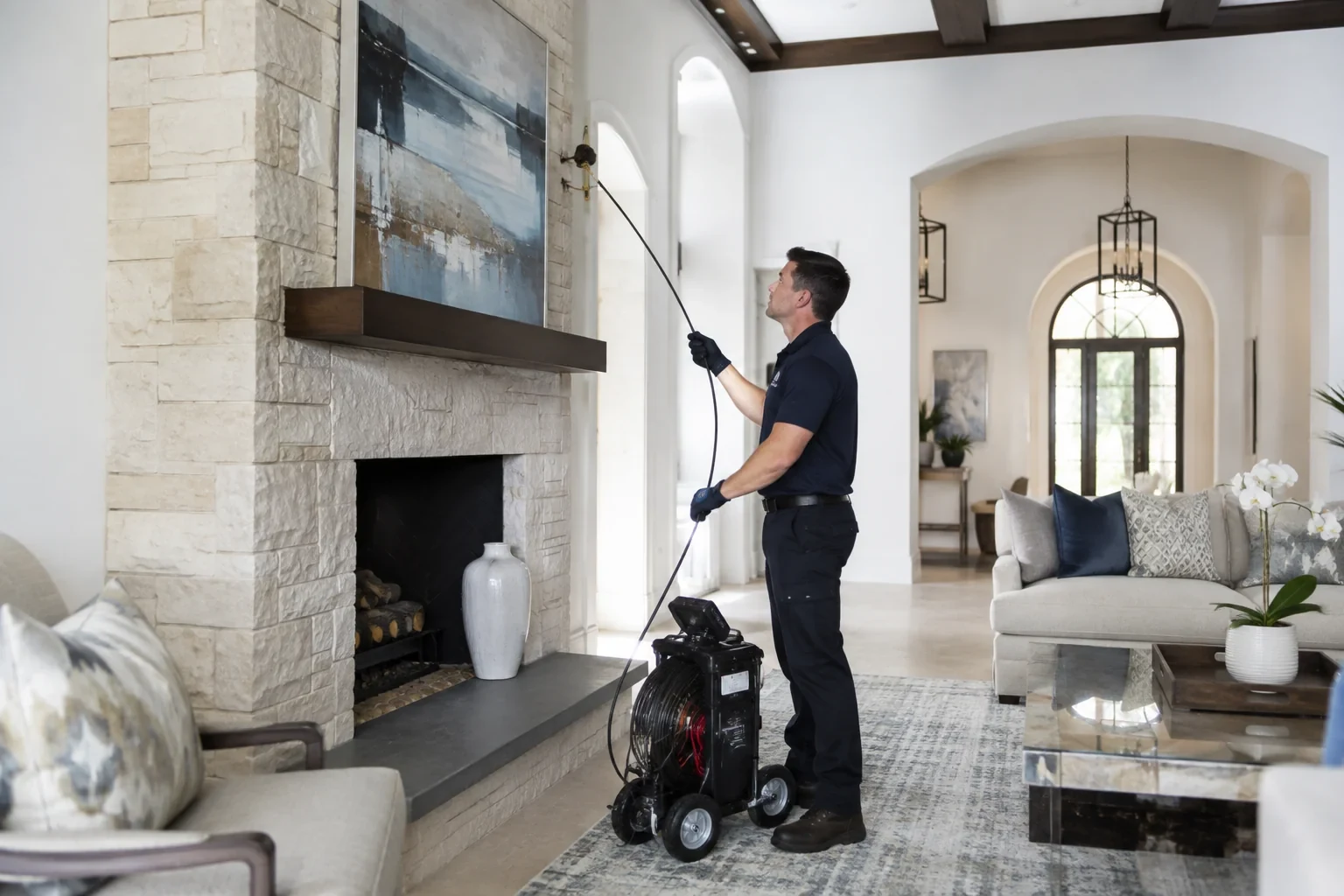
KissimmeeChimney & Fireplace
Compare brick repairs, tuckpointing and rebuilding alongside the chimney areas they address. Ask about the observed condition, access and materials included in the proposal.
(321) 613-1704Chimney & Fireplace
Clarify the cleaning scope and whether inspection is included.
Explore the service ↗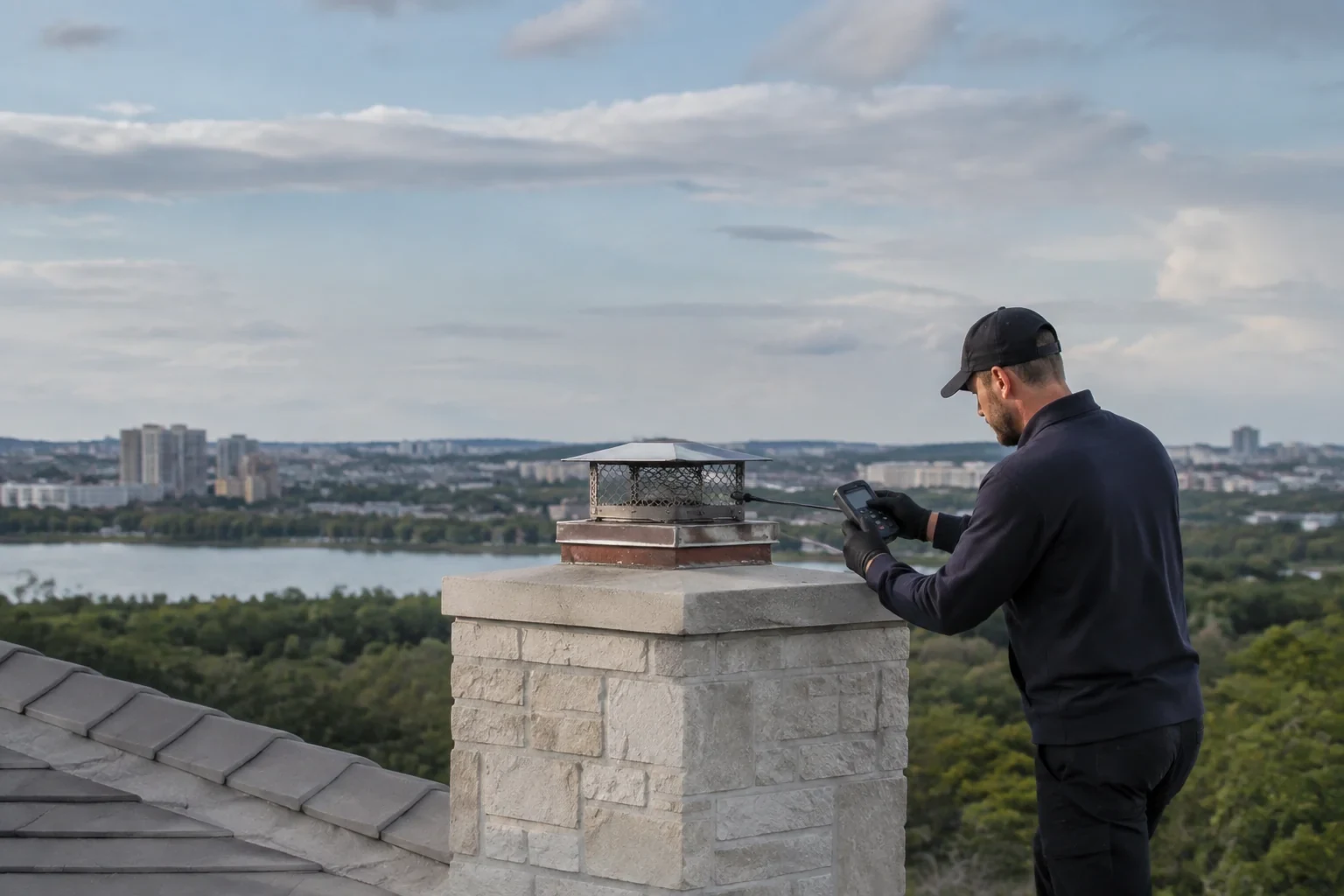
Chimney & Fireplace
Describe the appliance, timing and any recent changes.
Explore the service ↗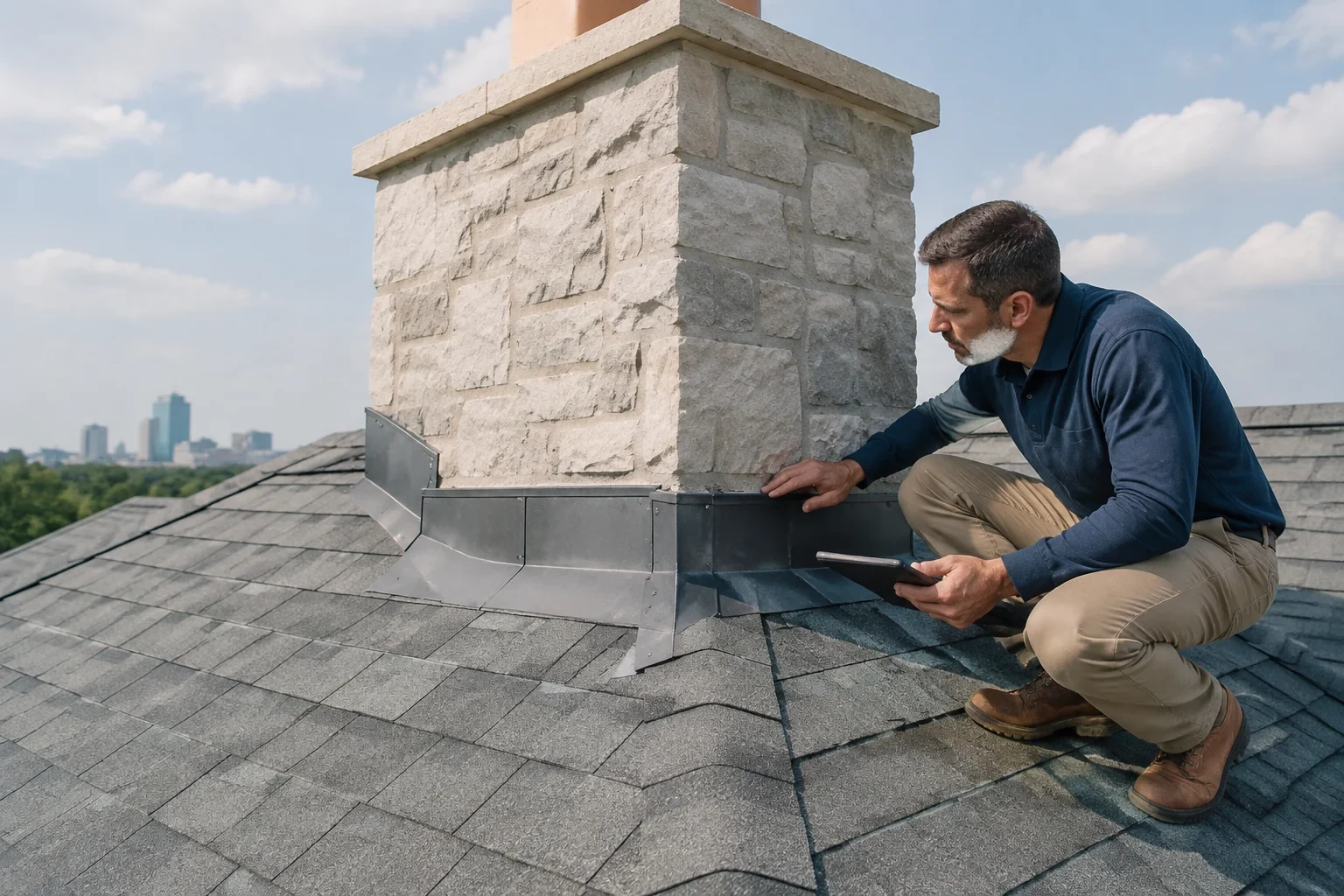
Chimney & Fireplace
Describe where water appears; the source needs assessment.
Explore the service ↗A closer look
Before the visit
Kissimmee
Explore the services for your property and confirm your address when you call.
The City of Kissimmee's permitting notice describes the state law in effect from 1 July 2026 as removing the permit requirement for a narrow set of small, non-trade home projects, and states that electrical, plumbing, mechanical or gas work needs a permit with no exceptions. The exemption route applies only under $7,500 and outside a flood zone, and an approved form is kept on site for the duration of the work. Osceola County permits addresses outside the Kissimmee and St. Cloud city limits, so a Kissimmee address is handled by the city. Confirm which applies before chimney, flue and fireplace work begins.
Source for planning your work ↗Florida's building-permit exemption for single-family work valued at $7,500 or less does not apply to property partly or wholly inside a flood hazard area as defined by the Florida Building Code. Parts of the Kissimmee area sit in mapped flood hazard areas, so whether chimney, flue and fireplace work could use that route depends on the address as well as the value and trade involved. Ask the city building department to confirm the flood designation for the property rather than assuming it from the neighbourhood.
Source for local exposure ↗The U.S. Fire Administration's heating fire safety guidance is to maintain heating equipment and chimneys by having them cleaned and inspected each year by a professional. That is a national prevention recommendation about maintenance intervals, not a local code requirement and not a finding about a particular flue. Ask what an inspection would actually cover, what would be documented, and what a report would say about the condition found.
Source for local context ↗Area-wide context is not a finding about your own property.
Before you decide
An inspection assesses accessible components and documents findings; sweeping removes deposits within the agreed scope. One does not automatically replace the other. Ask which inspection is proposed, what can be accessed, whether cleaning is included and what written findings you will receive.
Describe the fireplace or appliance, its fuel type, recent use and any changes you have noticed. Mention previous repairs, water entry or a planned appliance change. Gather available service records and explain access restrictions. These details help define the visit without assuming what the chimney needs.
A cap is one possible part of the assessment. Water may also enter around flashing, masonry joints or the crown. Ask what evidence supports the proposed repair and which area it addresses. A clear scope distinguishes a cap replacement from work elsewhere on the chimney.
Ask for the areas examined, access limitations, photographs of relevant findings and the recommended next steps. The report should distinguish observed conditions from areas that were not visible. Use those findings to discuss repair options rather than treating a general service description as a diagnosis of your property.
Compare the exact area and type of work: mortar joints, crown, flashing, liner or other components are different scopes. Ask about preparation, materials, access equipment and cleanup. If a proposal changes after inspection, request the reason and revised scope before agreeing.
Tell us what you need looked at and we will call you back.